
 By Kratiz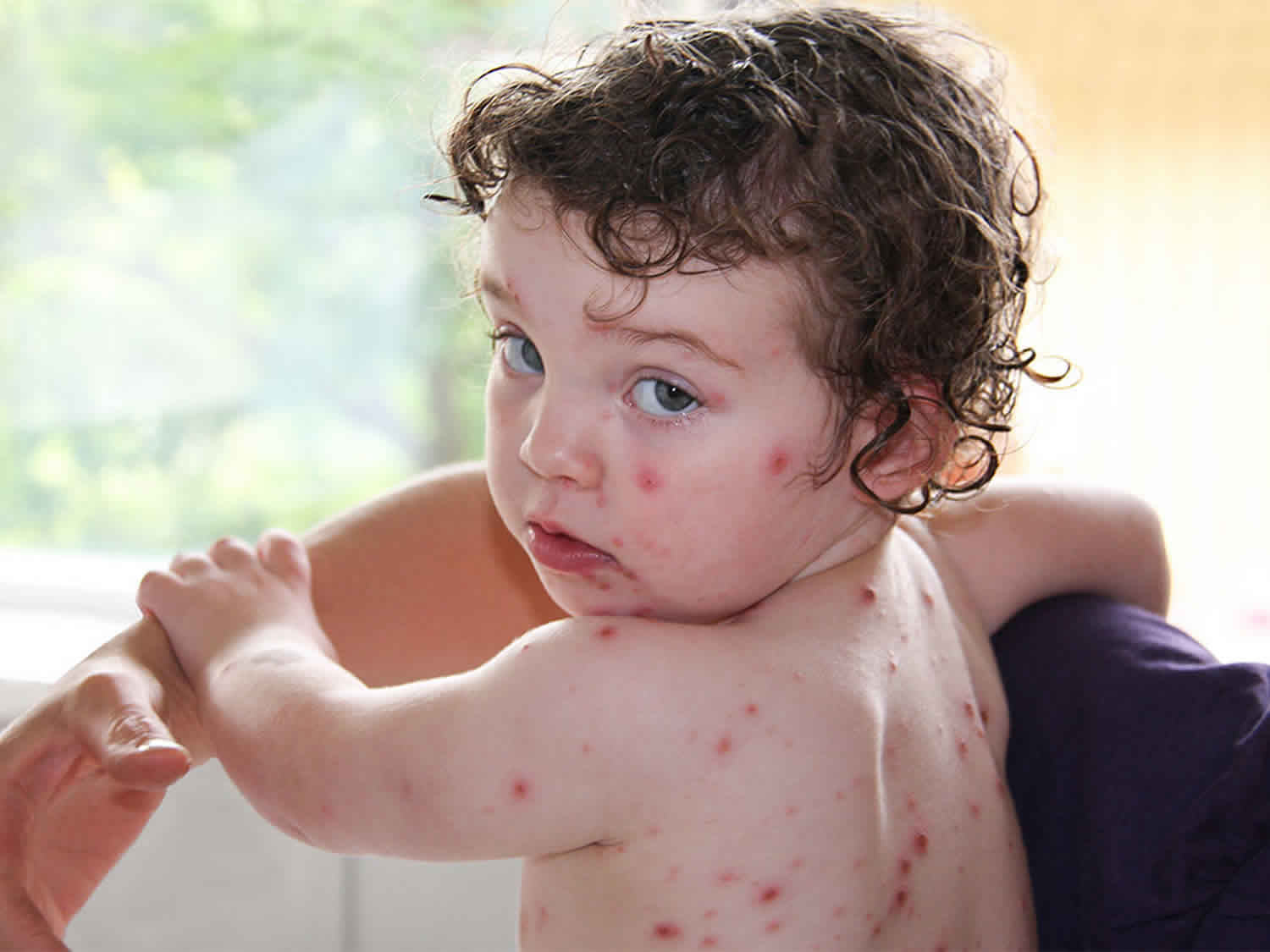
Everything You Need to Know About Chickenpox
What is Chickenpox?
Chickenpox (medical name: varicella) is a highly contagious viral infection caused by the varicella-zoster virus (VZV). It’s most common in children but can also affect adults — and when it does, symptoms are usually more severe.
How Does it Spread?
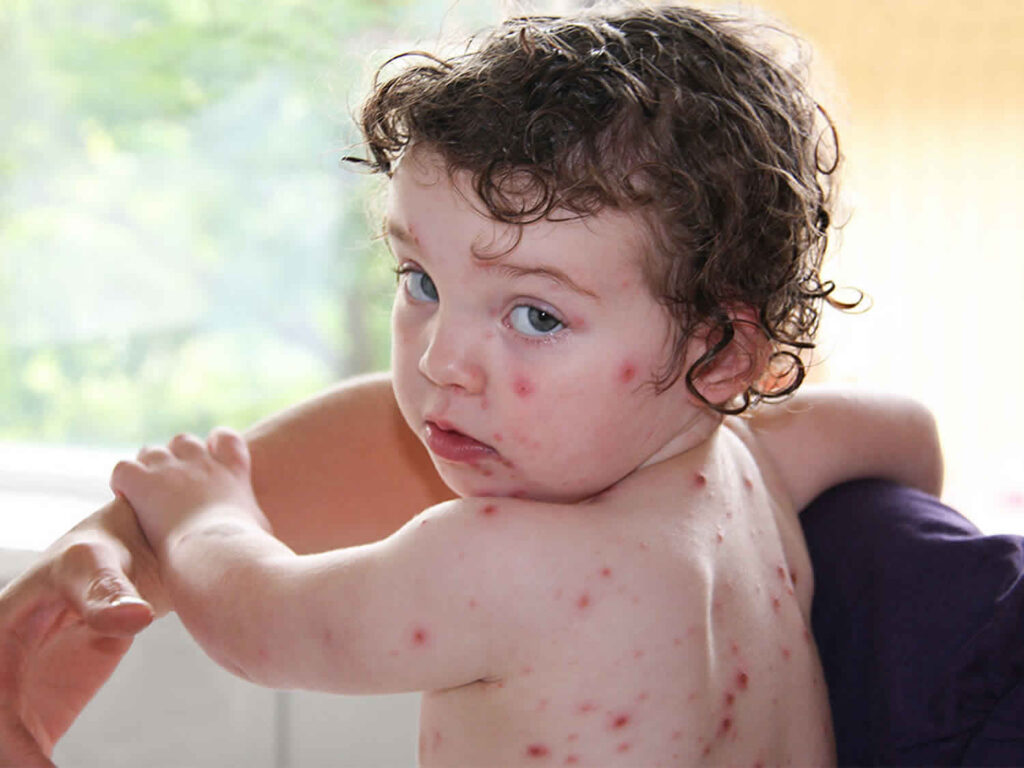
Chickenpox spreads very easily from person to person through:
- Airborne droplets: When an infected person coughs or sneezes.
- Direct contact: Touching the fluid from the blisters.
- Contaminated surfaces: Rare, but possible.
👉 A person is contagious from 1–2 days before the rash appears until all the blisters have crusted over (usually 5–7 days).
Symptoms of Chickenpox
Chickenpox symptoms usually appear 10–21 days after exposure. They tend to come in two phases:
- Early Symptoms (before rash)
- Fever
- Tiredness
- Loss of appetite
- Headache
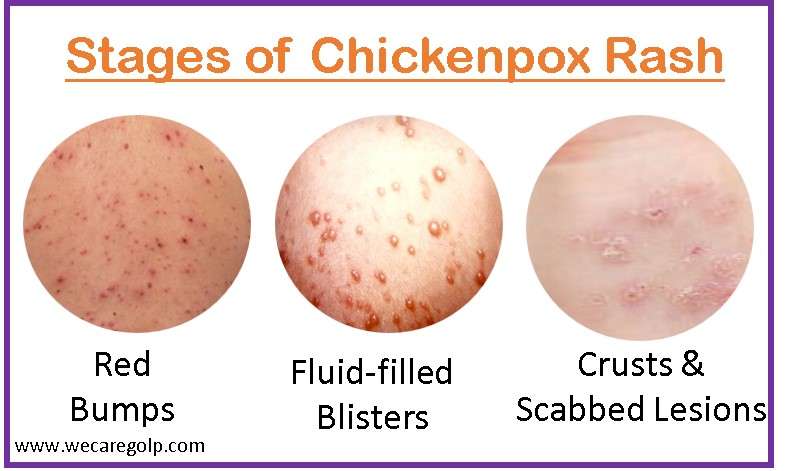
- Classic Rash Phase
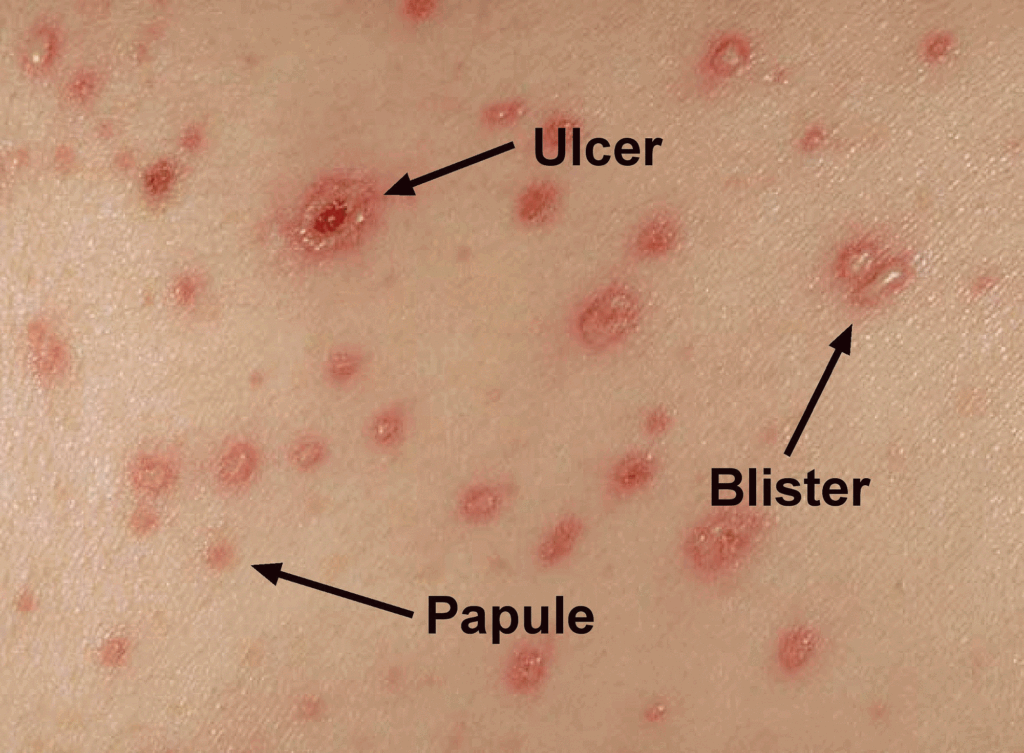
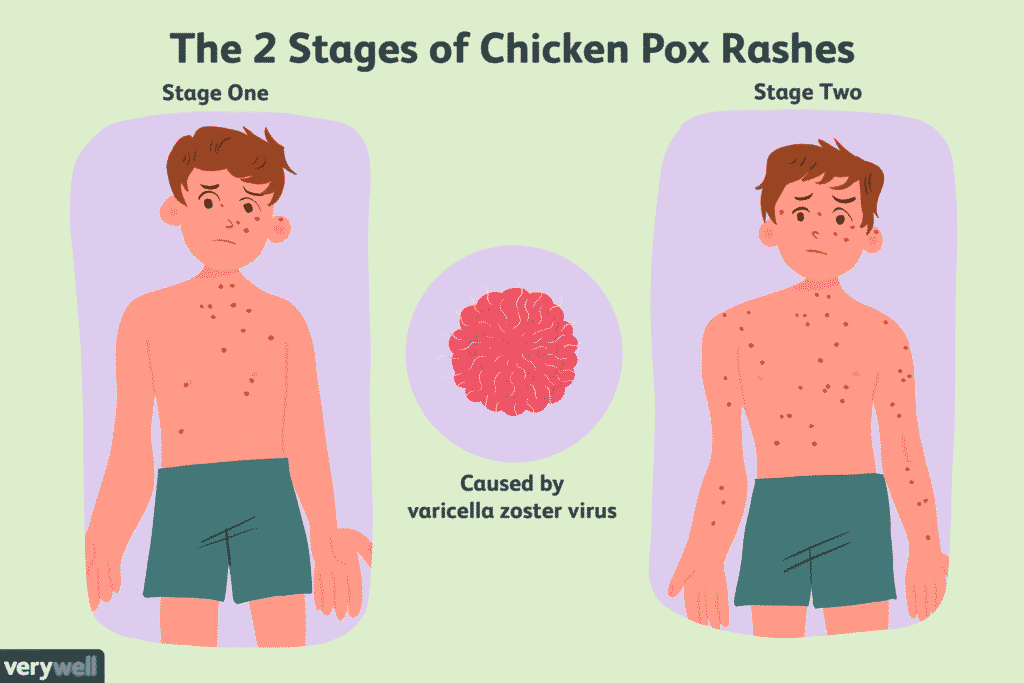
- Starts as red spots, usually on the chest, back, or face.
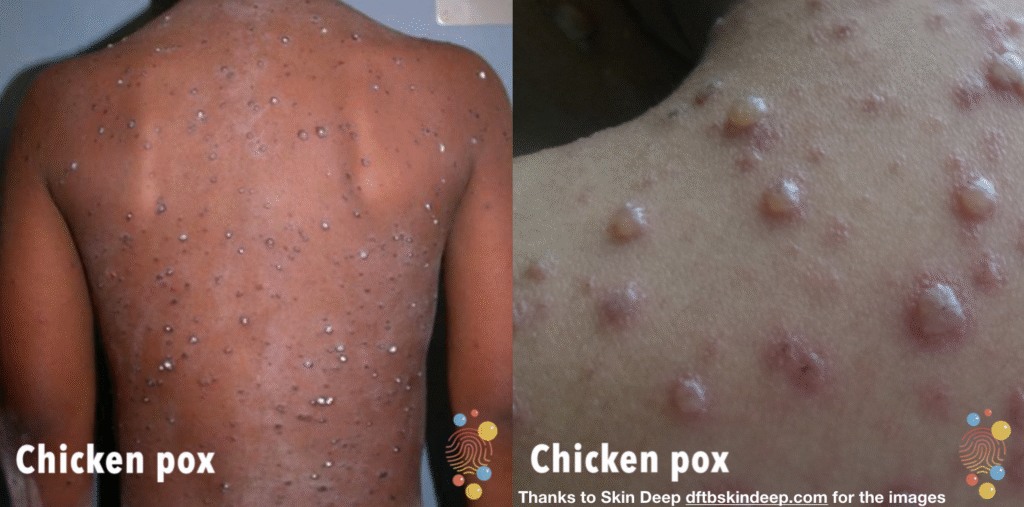
- Progresses to itchy, fluid-filled blisters.
- Eventually scabs and heals in about a week.
- The rash often comes in waves, so you may see new spots while old ones are healing.
Who is Most at Risk?
While anyone can get chickenpox, certain groups are at higher risk for severe disease:
- Newborns and infants
- Adults who never had chickenpox or the vaccine
- Pregnant women
- People with weakened immune systems (cancer patients, transplant recipients, those on steroids, etc.)
Possible Complications
For most kids, chickenpox is uncomfortable but not dangerous. However, complications can include:
- Bacterial skin infections (from scratching)
- Pneumonia
- Encephalitis (brain swelling)
- Sepsis (rare but serious)
Adults, infants, and immunocompromised patients are more likely to develop these.
Diagnosis
Doctors usually diagnose chickenpox just by looking at the rash and asking about symptoms. Lab tests are rarely needed.
Treatment & Care
There’s no cure, but treatment focuses on relief and preventing complications:
✅ At-home care
- Rest and plenty of fluids
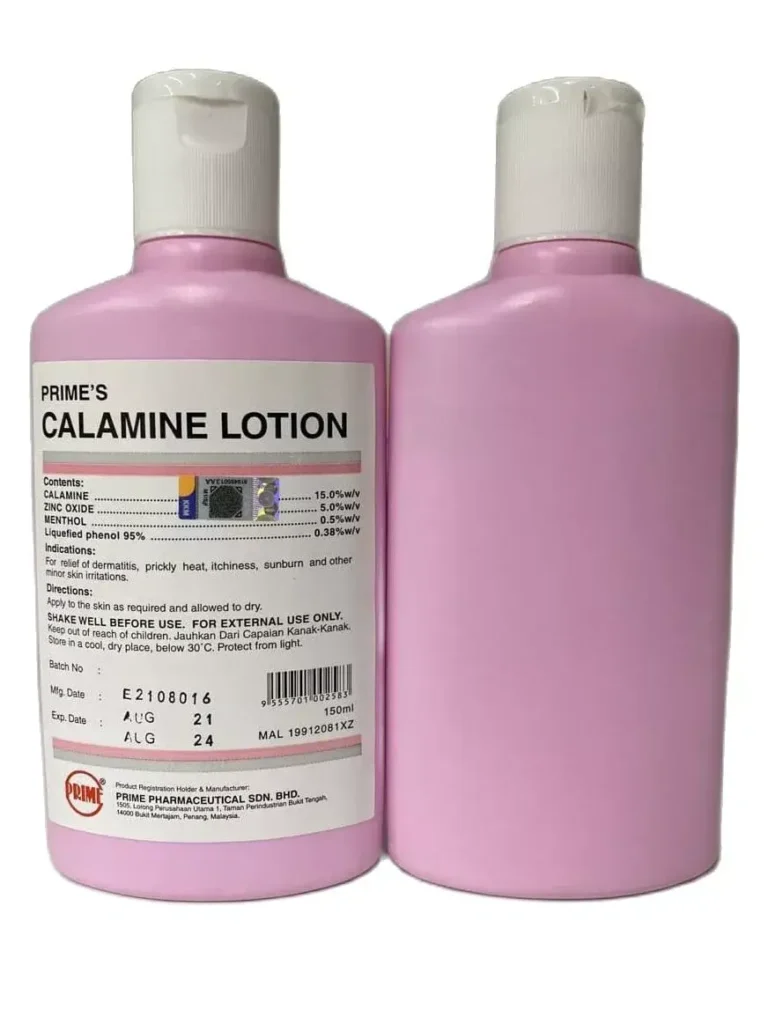
- Calamine lotion or oatmeal baths to reduce itching
- Loose, comfortable clothing
- Acetaminophen (paracetamol) for fever (⚠️ avoid aspirin in children — it can cause Reye’s syndrome)
✅ For high-risk patients
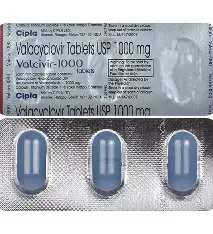
Doctors may prescribe antiviral medication (like acyclovir) to shorten illness and reduce severity.
Prevention
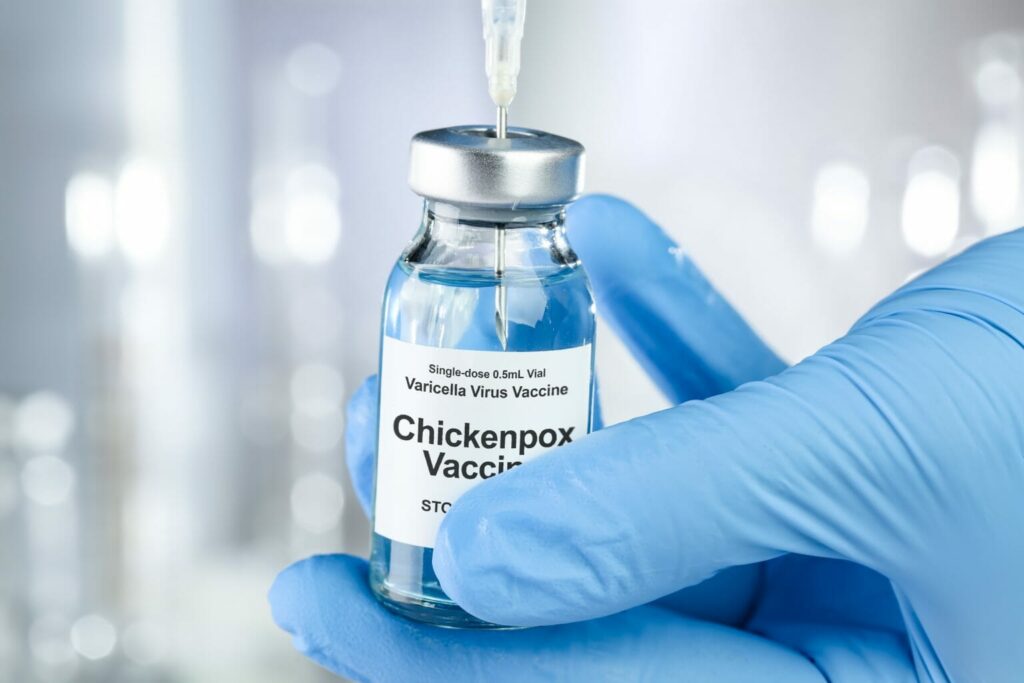
The chickenpox vaccine (varicella vaccine) is the best way to prevent infection.
- Given in two doses (first at 12–15 months, second at 4–6 years).
- Highly effective: about 90% protection against chickenpox.
- Even if vaccinated people get chickenpox, it’s usually mild and shorter-lasting.
Chickenpox vs. Shingles
After recovering from chickenpox, the varicella-zoster virus doesn’t leave your body — it goes dormant in nerve cells.
- Years later, it can reactivate as shingles (herpes zoster), causing a painful, blistering rash.
- Adults over 50 are recommended to get the shingles vaccine to prevent this.
Quick Facts to Share
- Before vaccines, nearly 4 million cases of chickenpox occurred yearly in the U.S.
- Chickenpox is less common now, but still occurs, especially in places with low vaccination rates.
- One bout of chickenpox usually gives lifelong immunity.
Final Thoughts
Chickenpox may sound like a harmless childhood illness, but it can be serious, especially in adults and vulnerable groups. Thanks to vaccines, it’s now much less common — but awareness and prevention are still key.
👉 Bottom line: Vaccination, symptom management, and avoiding contact while contagious are the best ways to handle chickenpox safely.